
From jollof to pupusas to lumpia: how immigrant food businesses are becoming the new economy
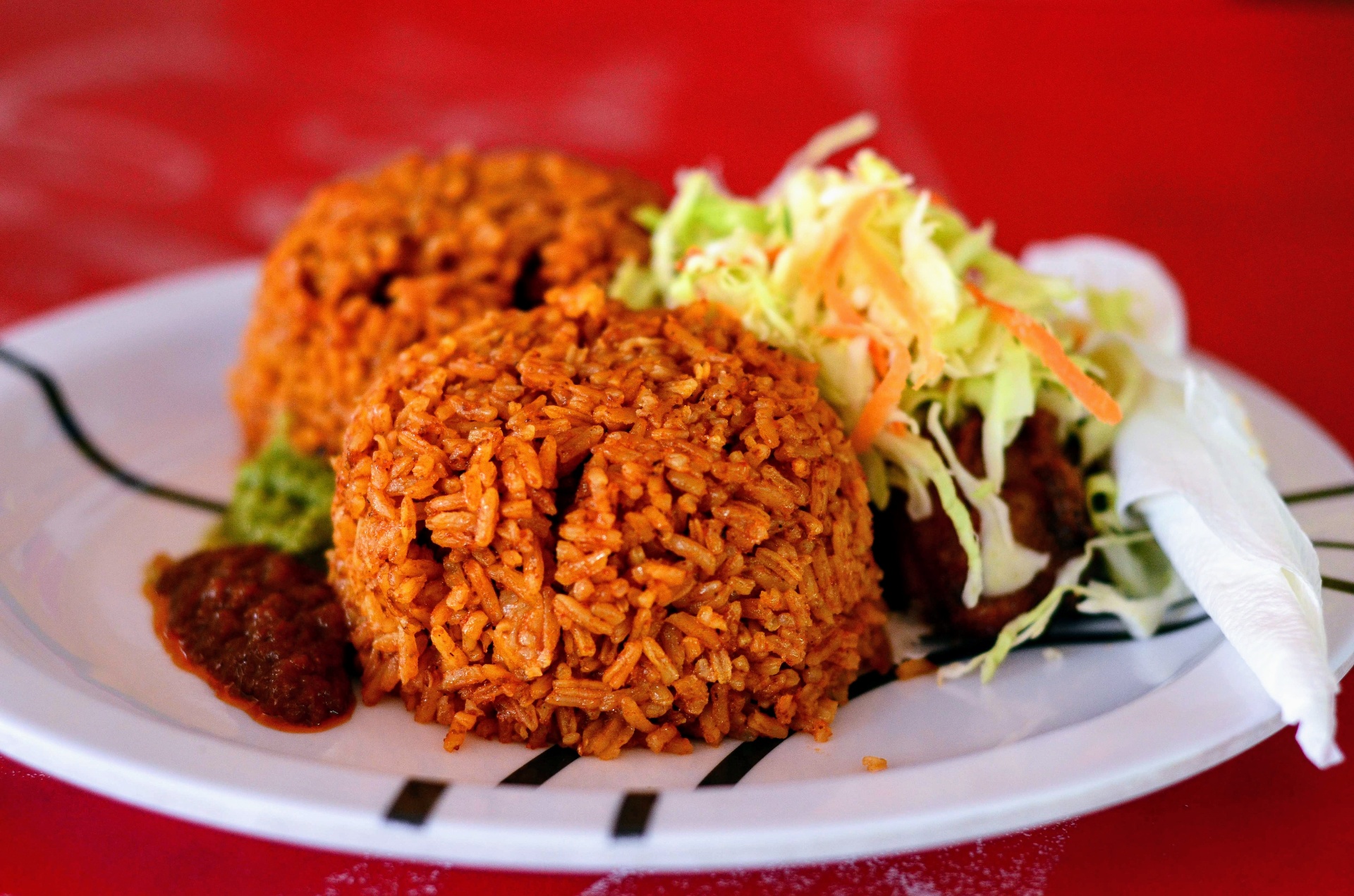
There's a quiet economic revolution happening in immigrant communities across the US, UK, and Canada, and it smells delicious. From the Nigerian woman selling jollof rice and puff-puff on Instagram in Houston, to the Salvadoran family running a pupusería out of their kitchen in suburban Maryland, to the Filipino food truck serving lumpia in Toronto — immigrant food entrepreneurs are building real businesses from cultural knowledge that no MBA programme can teach.
The pattern is remarkably similar across cultures. It starts with cooking for community events and friends. Someone says, "You should sell this." A Zelle account or Cash App handle appears on a social media post. Orders start coming. Suddenly, what was a family recipe is a micro-business generating $2,000-$5,000 a month — often entirely undocumented, untaxed, and one health inspection away from being shut down.
The opportunity is massive. According to industry data, ethnic food is one of the fastest-growing segments in the US food market. Consumers are increasingly seeking authentic, culturally rooted food experiences. But most immigrant food entrepreneurs face the same obstacles: lack of commercial kitchen access, confusion about licensing and permits, no understanding of food safety certification requirements, limited access to capital, and zero marketing beyond their immediate WhatsApp network.
The gap between "I make amazing food" and "I run a legal, profitable food business" is where most immigrant food entrepreneurs get stuck. It's not talent that's missing. It's infrastructure, knowledge, and community support.
Your recipe is your intellectual property. Your culture is your brand. Your community is your first customer base. Stop cooking in secret. Start building in community.
What did you think?
Comments (0)
- Be the first to comment.